The annual plan is barely finished and conditions have already shifted again: Raw material prices fluctuate, tariffs throw off cost calculations and margins remain under pressure. For many procurement teams, this has long been part of everyday business. That makes it all the more valuable to share experiences, hear new perspectives and talk openly about how procurement can respond to these changes.
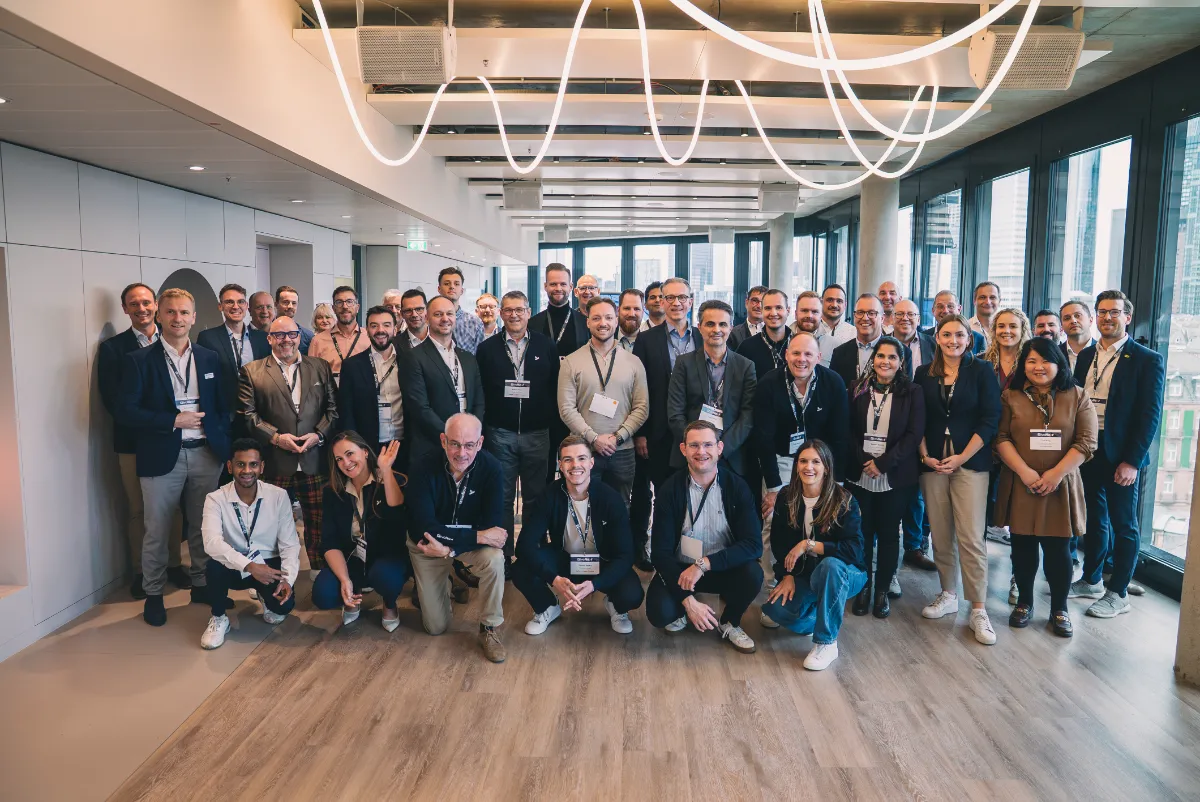
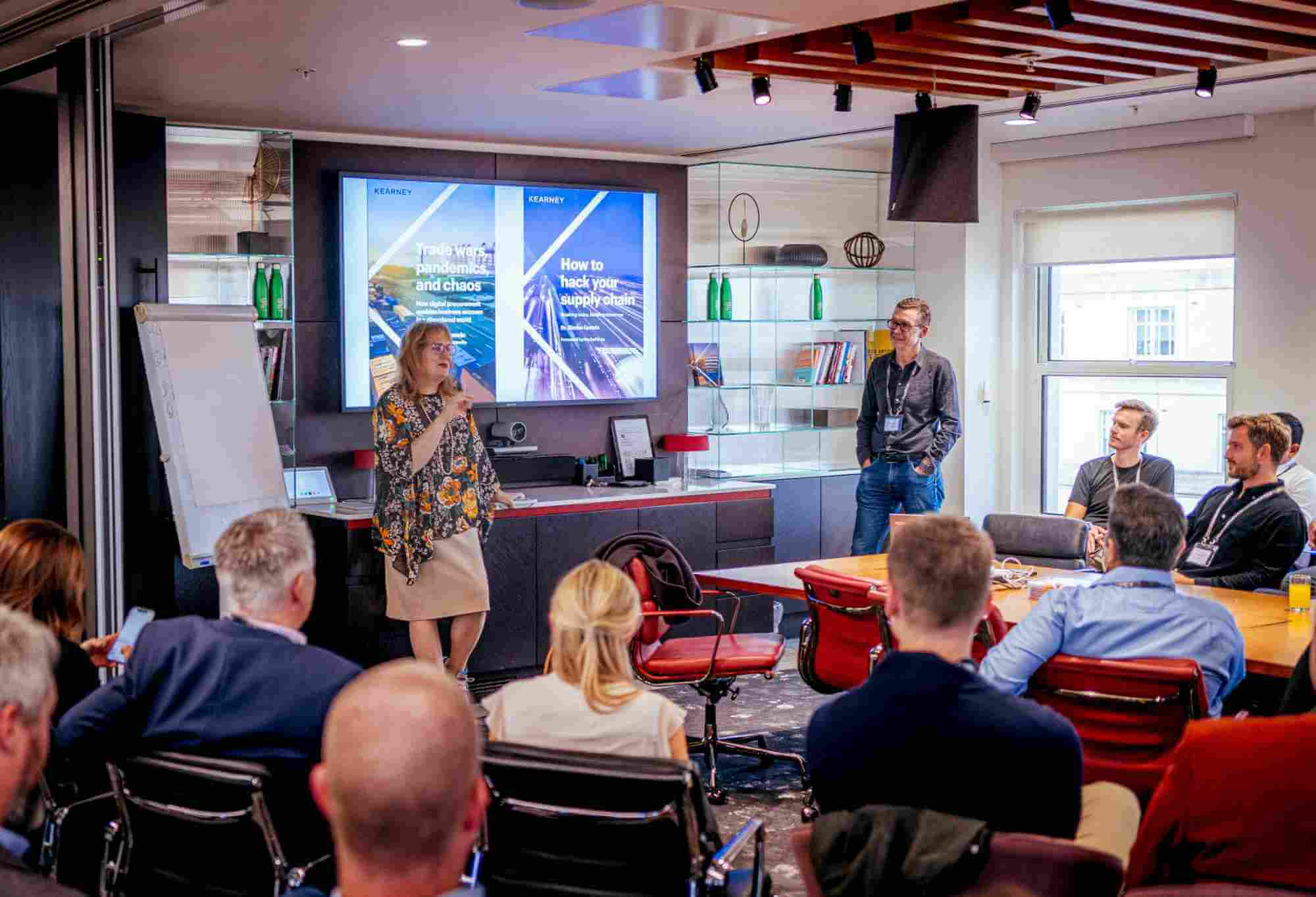
That was the focus of ivoNext 2026 on October 22 in Frankfurt: Around 55 procurement leaders from manufacturing came together to discuss current challenges, new technologies and the future of strategic procurement. Speakers from ZF LIFETEC, TI Automotive, Ivoflow and Jaggaer each showed a different way of dealing with cost pressure, uncertain markets and the new possibilities AI brings. Away from the stage, there was plenty of time to swap experiences and pick up ideas to take back to the office.
Ivoflow and Jaggaer: What the Combination Means for the Market Session by Michael Rösch (SVP Manufacturing Growth), Nicolas Neubauer and Daniel Demuth (Co-Heads of Manufacturing Spend)
The day opened with a session on Jaggaer’s recently completed acquisition of Ivoflow. Michael Rösch, Nicolas Neubauer and Daniel Demuth shared how the two solutions will work together even more closely going forward.
At the heart of it is connecting spend and price intelligence with operational procurement processes. Insights into cost developments and savings potential should be available where decisions actually get made: in sourcing, contracts and purchase orders. The outcomes then flow back in as new data and create a foundation for further analysis.
For users, this means they can bring market and cost data into their purchasing decisions more directly than before.
From A(I) to Z: What AI Can and Can’t Do in Procurement Session by Adrian Hommen (Director Customer Projects and Implementation, Ivoflow)
How much can AI really do in procurement today, and where does it hit its limits? Adrian Hommen explored these questions and made it clear that the value doesn’t depend on the technology alone. Just as important is the data it works with and the problem it’s supposed to solve.
He illustrated this with a simple example. If the same supplier appears in the system under four different spellings, an AI asked to name your largest supplier can be way off. With clean, well-prepared data, the same question gets answered in seconds.
Adrian sees particular potential in spend analysis, in detecting market and risk signals, and in contract analysis. Applications like these can surface connections and make day-to-day procurement work easier. The decision itself, though, stays with people. At Ivoflow, the AI doesn’t trigger any actions on its own either. Recommendations have to be traceable and show which data they’re based on.
His key advice for future AI projects: start by defining which decision should get better and how you’ll measure the actual benefit. Only then does it make sense to ask which technology fits.
Roundtable: The Future of Commodity Strategy
How do category strategies need to change when markets become harder to predict? Participants tackled this question in an interactive roundtable.
Topics included regionalizing supply chains, dual sourcing, faster supplier onboarding and closer partnerships. The discussion also showed how hard it can be to follow through on long-term strategies in daily work. When short-term problems keep demanding attention, there’s often little time left for strategic work.
That makes it all the more important to spot risks early, base decisions on reliable data and bring employees along through change. One comment from the discussion summed it up nicely: “never change a running system” should become “always run a changing system.” Teams that adapt to new conditions early have far less to react to once the pressure is already on.
Industry Insights Industry Insights I: Procurement Strategies 2027 and Beyond Session by Robert Strebl (Vice President Procurement, ZF LIFETEC)
Robert Strebl used ZF LIFETEC as an example of how these challenges shape procurement strategy. His outlook for the coming years: supply chains will become more regional, markets will stay volatile, and risks often emerge well beyond direct suppliers. If you only look at your immediate business partners, it’s easy to miss critical dependencies further down the supply chain.
That’s why data plays a central role. It helps identify risks earlier and evaluate suppliers on more than price. Quality, available capacity, innovation and sustainability matter just as much. What counts is a supplier’s overall contribution to business success.
AI can help analyze information faster and reveal connections. For Robert Strebl, however, it doesn’t replace the experience and judgment of the people in procurement.
One line especially stuck with the audience:
“The best crisis is the crisis that never happens.” The message behind it: catching risks before they turn into a crisis is worth more than having to react under time pressure later.
Industry Insights II: Adapting Strategies in a Rapidly Changing Market Environment Session by Radek Crha (Purchasing Director EMEA, TI Automotive)
Radek Crha used TI Automotive to show how a better data foundation can lead to tangible results. Together with Ivoflow, the company first built a unified view of its spend across plants, countries and regions.
From there, the team analyzes costs at the level of individual part families and benchmarks purchase prices against relevant market indices such as raw materials, energy and exchange rates. This makes price deviations and potential clawbacks much easier to spot. Ivoflow helps identify these opportunities automatically.
Radek described the journey in three steps: Spend Transparency, Cost Intelligence and Value Realization. First you gain transparency into your spend, then you turn it into concrete insights, and finally you translate those insights into measurable results.
The example made one thing clear: data alone doesn’t create savings. What matters is what companies take from it and how consistently they put those insights into practice.
Deciding Under Pressure: What Procurement Can Learn from Professional Football Session by Lutz Wagner (Referee and Referee Coach)
To close the day, the perspective shifted from procurement to professional football. Drawing on his many years as a referee, Lutz Wagner showed what it means to make decisions under pressure and take responsibility for them on the spot.
On the pitch, there are often just a few seconds to read a situation and make the call. Procurement has its moments too, when not all the information is there and you still have to act. Good preparation helps you keep a clear head in those situations. It’s just as important to stand behind your decision and be willing to question it critically afterward.
With that, Lutz Wagner tied back to the earlier sessions. Data and analytics can support decisions. Whether they’re interpreted correctly and put to good use still depends on the people making them.
Key Takeaways from ivoNext 2026 Each session at ivoNext looked at the future of procurement from a different angle. Companies need to spot risks earlier, understand their costs better and regularly adapt their strategies to new market conditions. Data lays the groundwork, and AI opens up new ways to analyze information and see connections faster.
In the end, what counts is turning all of this into the right decisions and following through with concrete action. That takes reliable information, along with experience, collaboration and the courage to challenge established ways of working.
This kind of exchange is what ivoNext is all about. A big thank you to all our speakers, the roundtable participants and our guests for sharing their experiences and perspectives with us. We look forward to continuing the conversation and seeing you at the next ivoNext.